Ancient Egyptian cat skulls reveal injuries, disease before mummification
What the source reports
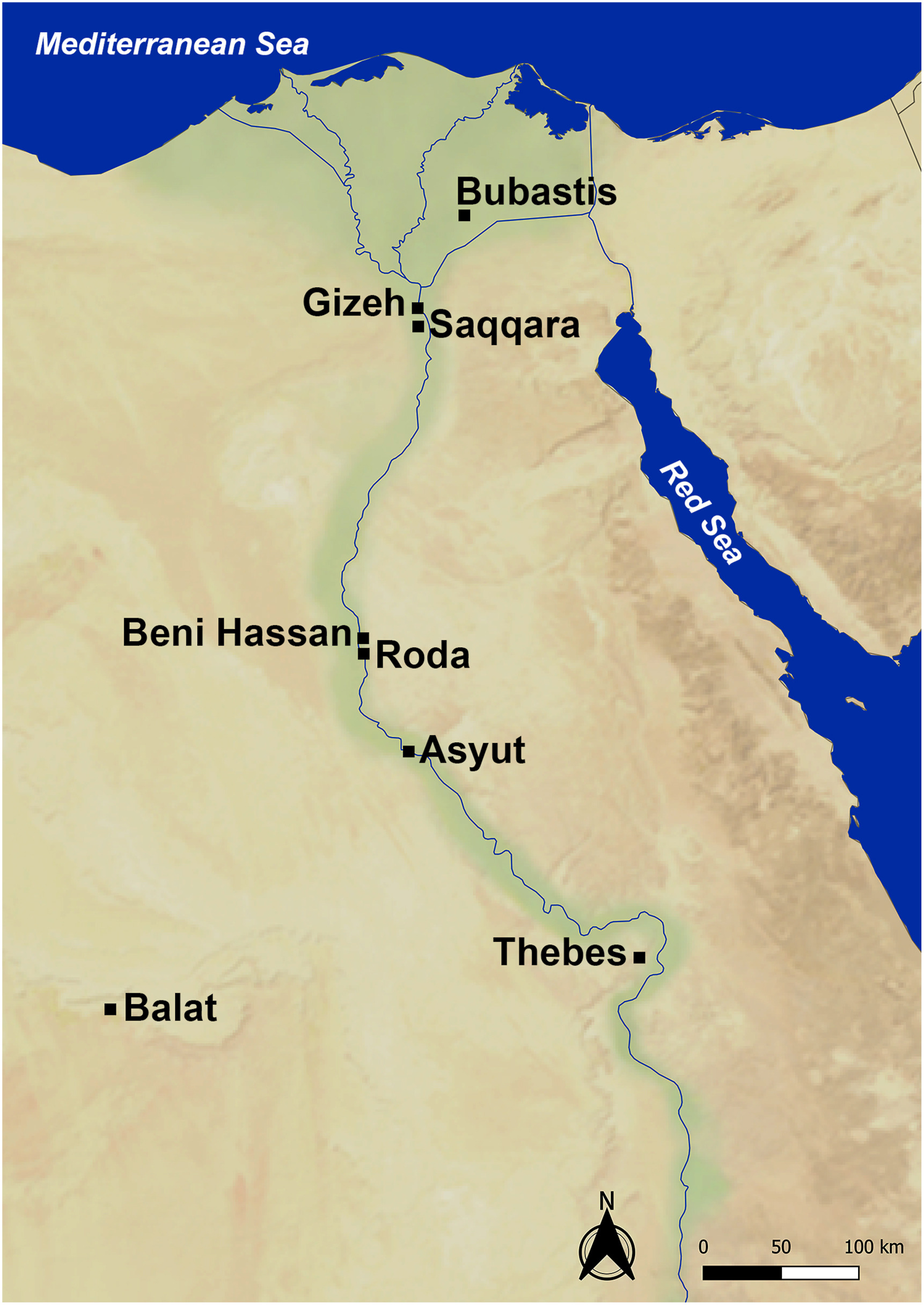
More than two thousand years ago, cats destined to become sacred offerings were kept near the ancient Egyptian cemetery of Beni Hassan. Some appear to have fought one another. Others suffered from disease, broken bones or violent blows from humans. And at least some of the animals may not have been bred there at all, but captured from the wild. That picture emerges from a new study of 131 cat skulls preserved at the Natural History Museum in Vienna. The collection, taken from mummified animals at Beni Hassan in the 19th century, offers an unusual window into what happened to cats before they were wrapped and deposited as votive offerings. The study was published in the Journal of Archaeological Science. Animal mummification was widespread in ancient Egypt, and archaeologists know of around 20 cat cemeteries.
Beni Hassan was among the largest: early accounts described pits packed with layers of mummified cats. Yet researchers still know surprisingly little about how such enormous numbers of animals were obtained, raised and housed before death. “We wanted to understand not just which cats were present, but what their bones could tell us about how they lived,” said Wim Van Neer, senior scientist at the Royal Belgian Institute of Natural Sciences and professor at KU Leuven, and lead author of the study. Van Neer specialises in archaeozoology, the study of relationships between people and animals in the past. The researchers measured the skulls and teeth to estimate species and age, recorded injuries and signs of disease, radiocarbon-dated nine animals, and analysed carbon and nitrogen signatures in the bones of 16 cats to investigate their diets and environments. Seven skulls could confidently be identified as jungle cats, a wild species larger than the domestic cat. Most…
TDBN presents the written preview supplied through the publisher's feed. Complete reporting, continuing updates, context, and corrections remain with the original report.
Read the complete report ↗