The high drama of volcanic wines
What the source reports
Vines on volcanic soil are hard to grow and their grapes are hard-won, but it all combines to produce wines with a very particular sense of place Good stories need jeopardy. Take The Princess Bride , one of my favourite films, which I recently introduced to my mildly terrified children.
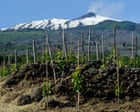
It’s a cult love story of high peril: Westley, believed dead, sets out to win back Buttercup (forced into marriage with another) on a quest involving pirates, duels, torture, a miracle and a battle of wits over a goblet of poisoned wine. There is struggle, magic and, ultimately, emotional reward. You’ll need to stay with me here: volcanic vines, too, tend to have a rocky journey, albeit with happy results for the drinker. My ears perk up at the term “volcanic wine”, despite being less a style than a geological category. Volcanic soils take many forms – ash, basalt, obsidian, pumice, tuff – and interact with climate, altitude, water availability, grape variety and farming to produce wines with a very particular sense of place. Often,…
TDBN presents the written preview supplied through the publisher's feed. Complete reporting, continuing updates, context, and corrections remain with the original report.
Read the complete report ↗